Are You Performing for the Algorithm?
The internet is a place where you can be whoever or whatever you want to be. In his study of media, Marshall McLuhan famously stated “the medium is the message”, arguing that platforms exert much more influence on people than the content they carry. In our modern digital landscape, users navigate hypermediated social media apps like TikTok and Pinterest. The platform, rather than just being a tool, has now become a source where users can formulate their own identities.
The evolution of digital performance can best be captured in creator Caroline Cianci’s TikToks comparing different generations and their social habits.

These videos use comedy as a lens to examine identity in digital spaces through different generations.
Her “Millennial” persona is relatable to the point of being saccharine. The excessive caricaturist performance verges on a Jim Carey parody, relying on facial contortions to express emotions. It’s a reflection of late 2000s nerd culture and reminds us of media influences such as the MCU and big Bang theory. In contrast, Cianci’s “Gen Z” person is aloof and edgy. This is the cool younger sister who was raised on Skins UK and Euphoria. Gone is the millennial optimism in favor of zillennial sass. “Gen Z’ is defined by their “stare’ and “gives us nothing.” Like 90’s icon Daria, the performance is empty and deadpan with irreverent and often inappropriate dark humor. If millennials are loud noise, Gen Z is detached silence. Both are highly curated performances shaped by the app.
One of the most insidious ways platforms architect identities is within the context of digital blackface. This phenomenon involves non-Black individuals using black imagery ranging from GIFs, memes of black women like Nene Leakes and Tiffany Pollard, and using a blaccent to exude coolness or sass. As discussed in Teen Vogue’s ‘We Need to Talk About Digital Blackface in Reaction GIFs‘, author Lauren Michael Jackson proposes that the utilization of black reaction gifs allow users to “wear” Black emotion as a rhetorical mask. This has escalated from twitter users sharing memes to corporations, like Wendy’s, co-opting AAVE and queer slang in their social media personas.
Over time, many have forgotten or refuse to connect this cultural juggernaut with the people who created it. AAVE, or African American Vernacular English has long been seen as a lower class, undesirable way of communicating amongst non-Black groups. However, with the explosion of hip hop and the repackaging of black and queer American culture in art worldwide from music to fashion and beyond, many within Gen Z have adopted its phrases and its being resold to us as the default vernacular of the internet.
As NBC News reports, short-form video decontextualizes AAVE, turning it into a tool for “coolness.” When a non-Black creator uses terms like “cap “or “period” to gain clout, they are actually engaging in a modern form of minstrelsy. The historic and cultural meanings are often lost. This erasure flattens the complexities of identity from a people who have historically experienced marginalization and been ostracized because of their physical characteristics, which cannot be removed unlike the flagrant ‘blaccent.’
Interestingly, just a decade ago this rhetoric failed on Tumblr. On Keeping Up with The Kardashians Season 8, Episode 17, “Ooh Baby”, Kim expressed anxiety over losing her “cool factor” and obsessing over sister Kylie’s dominance of the Tumblr platform through her use of indie and raw aesthetics. While highly curated like Instagram, Tumblr embraced a more niche and authentic identity while Instagram highlights capitalism. We can also witness this on Pinterest. The rise of the VSCO girl and “core” aesthetics are integral to the Pinterest identity, with over 70% of its nearly 620 million users identifying as women. This contrast proves that the medium grants permission for certain identities to exist. A person may be cringe on TikTok but thrive on Pinterest. All this depends on visual language and crafting an aesthetic identity.
The value of an identity can also change simply by shifting apps. Consider how aesthetic standards change based on which app you are using. Instagram is dominated by the Kardashian beauty standard, with neutrals, surgical enhancements, and racial ambiguity reigning. The rise of BBL culture is a physical manifestation of Instagram’s visual rhetoric. However, as the social trend pendulum is swinging back to waif like heroin chic of the 90’s, we see the Kardashians and other celebrities embracing the removal of these features as they no longer prove to be fashionable. The body itself has become another piece of editable content.
Mediums can also dictate class and hierarchy. Consider the parallel business models of Substack and OnlyFans. Both are subscription-based platforms where users pay for access to an individual, yet they have very different societal connotations. Substack carries the weight of “the expert”. The nation’s most visible intellectuals like Tim Snyder and Heather Cox Richardson use the newsletter medium and one might find themselves learning from the likes of journalistic leaders such as Anne Applebaum. OnlyFans, on the other hand, denotes an air of desperation or illicit activity. Creators on this platform carry a stigma of sexualization within the media landscape. While both platforms are nearly identical, one content creator is devalued for their commodification while the other is uplifted and praised for their entrepreneurial spirit. This reflects what Bolter or culture commentator Mina Le might describe as the power of framing. The medium determines who is worthy of the currency of respect.
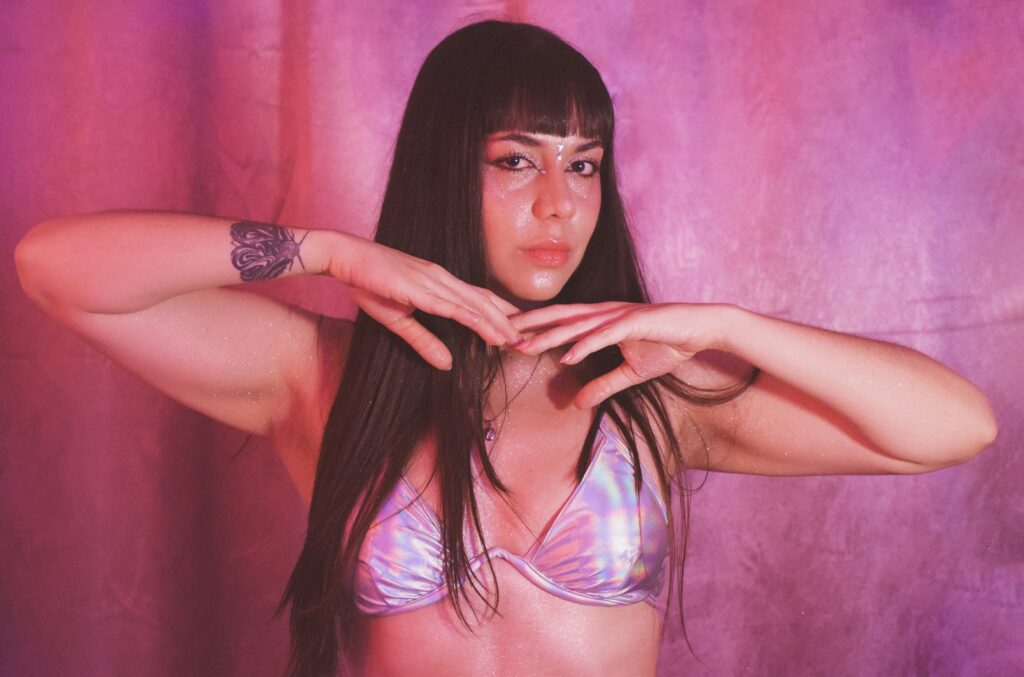
Class commentary
Mediums can also dictate class and hierarchy. Consider the parallel business models of Substack and OnlyFans. Both are subscription-based platforms where users pay for access to an individual, yet they have very different societal connotations. Substack carries the weight of “the expert”. The nation’s most visible intellectuals like Tim Snyder and Heather Cox Richardson use the newsletter medium and one might find themselves learning from the likes of journalistic leaders such as Anne Applebaum. OnlyFans, on the other hand, denotes an air of desperation or illicit activity. Creators on this platform carry a stigma of sexualization within the media landscape. While both platforms are nearly identical, one content creator is devalued for their commodification while the other is uplifted and praised for their entrepreneurial spirit. This reflects what Bolter or culture commentator Mina Le might describe as the power of framing. The medium determines who is worthy of the currency of respect.
Ultimately, in our chronically online state, our sense of self is no longer just internal. Now, more than ever, it has become a rhetorical byproduct of the apps we use and communities we choose to belong to. The medium determines what and who are hot and not. We can utilize these spaces to find belonging or create division. But we must ask ourselves what remains of the “self” once the platform is turned off?