Clean Sweep: 8 Non-toxic swaps for your favorite home items
Making your home healthier doesn’t require a complete lifestyle overhaul. Small, intentional swaps can significantly reduce your exposure to harmful chemicals while also benefiting the environment. Here are eight simple, non-toxic alternatives to everyday household items.
8 Non-toxic swaps for your favorite home items
1. Swap Plastic for Glass Bottles
Plastic containers can leach chemicals—especially when exposed to heat or over time. Glass bottles and containers are a safer, longer-lasting alternative. They don’t absorb odors, are easy to clean, and keep your food and drinks free from unwanted toxins.
2. DIY Cleaners with Vinegar & Essential Oils
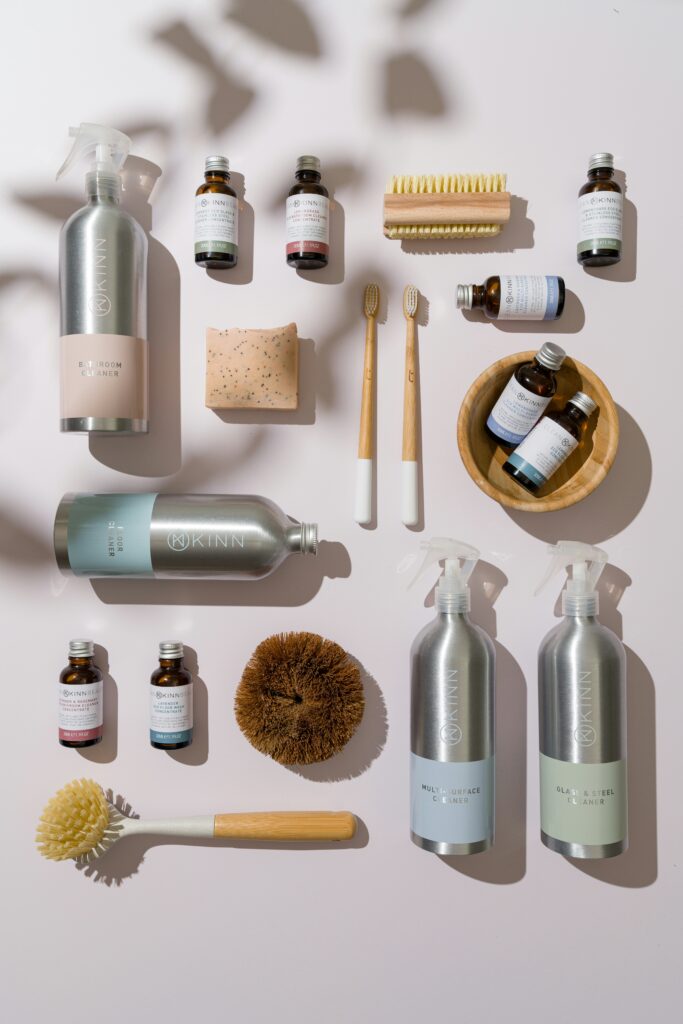
Many store-bought cleaners contain harsh chemicals that can irritate your skin and lungs. A simple mix of white vinegar and water works wonders for most surfaces. Add a few drops of essential oils like lemon or lavender for a fresh scent.
Important tip: Some essential oils (like tea tree, eucalyptus, and citrus oils) can be harmful to pets, especially cats and dogs. Always research pet-safe options and use them sparingly in well-ventilated areas.
3. Beeswax Wraps Instead of Plastic Wrap
Single-use plastic wrap is wasteful and difficult to recycle. Beeswax wraps are reusable, biodegradable, and naturally antibacterial. They mold easily around food and containers using the warmth of your hands, making them a practical and eco-friendly alternative.
4. Chainmail Scrubber vs. Steel Wool
Steel wool can rust quickly and often contains additives. A stainless steel chainmail scrubber is durable, easy to sanitize, and doesn’t break apart. It’s especially great for cleaning cast iron without damaging the seasoning.
5. Reusable Paper Towels
Traditional paper towels create a surprising amount of waste. Reusable cloths—made from cotton, bamboo, or other absorbent materials—can be washed and reused hundreds of times. Keep a stack in your kitchen for spills, cleaning, and everyday use.
6. Humidifier Instead of Plug-In Air Fresheners
Plug-in air fresheners often release synthetic fragrances and chemicals into the air. A humidifier can improve air quality while allowing you to add a subtle scent with pet-safe essential oils if desired. Even without oils, maintaining proper humidity can make your space feel fresher and more comfortable.
7. Choose Sustainable Materials
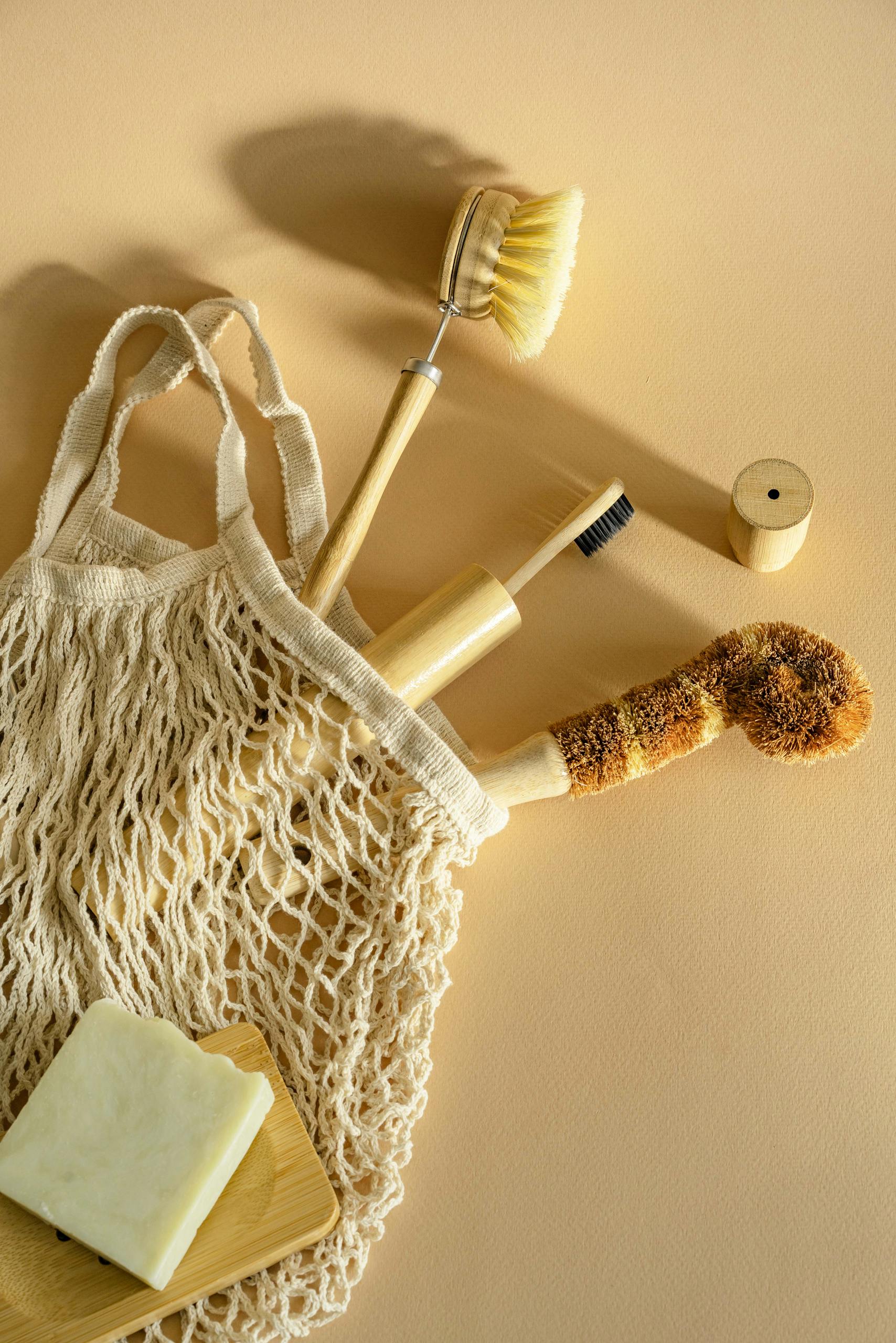
When replacing home items, opt for materials like bamboo, stainless steel, organic cotton, or glass. These are generally more durable, biodegradable, and free from harmful chemical treatments. Over time, choosing better materials reduces both waste and toxin exposure.
8. Rethink “Disposable” Habits
Many everyday items are designed for convenience, not health or sustainability. By switching to reusable, non-toxic alternatives, you not only reduce waste but also create a safer home environment. Even one or two changes can make a meaningful difference.
Final Thoughts
Non-toxic living isn’t about perfection—it’s about making better choices where you can. Start small, stay informed, and build habits that support both your well-being and the planet.